$67.97Original price was: $67.97.$42.97Current price is: $42.97.
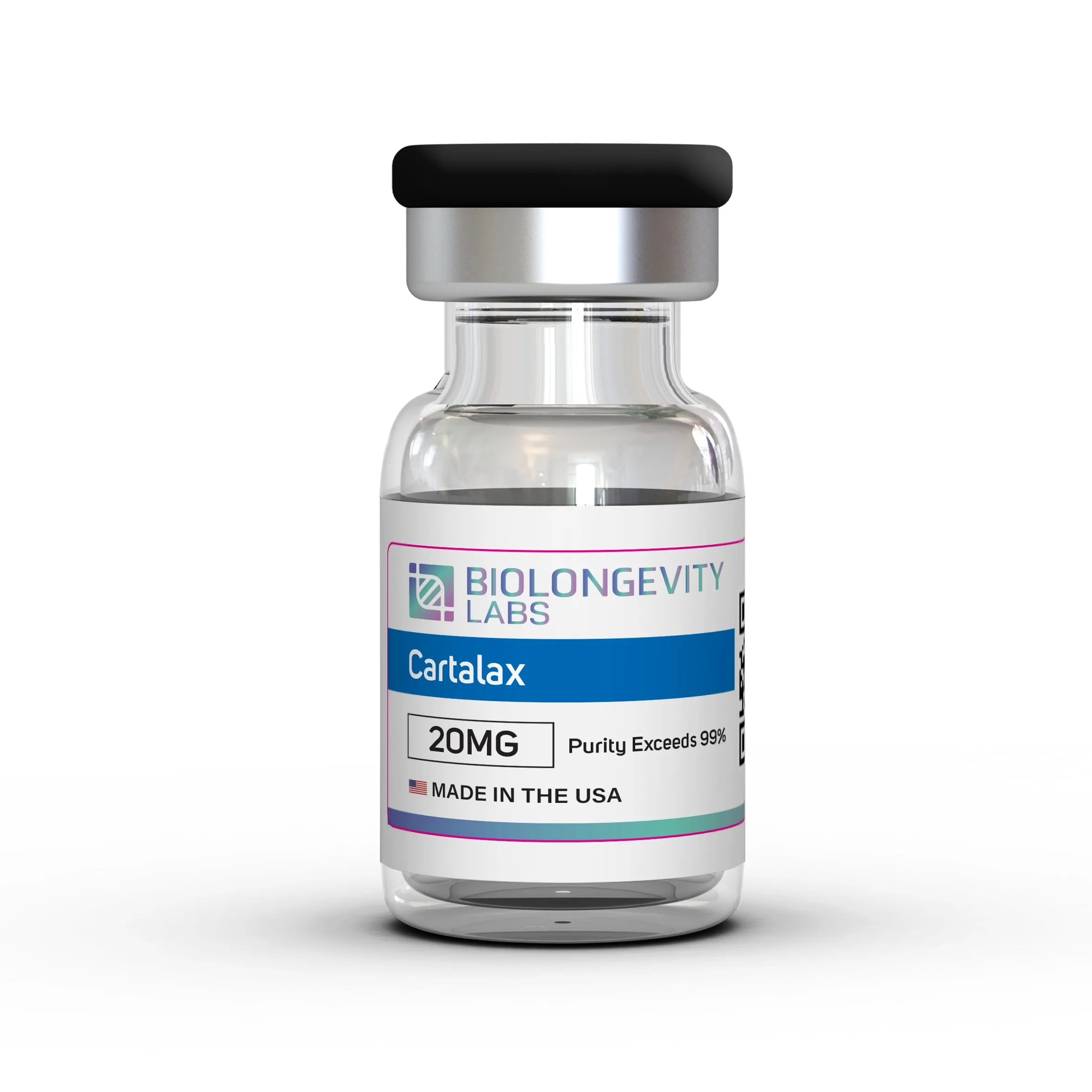
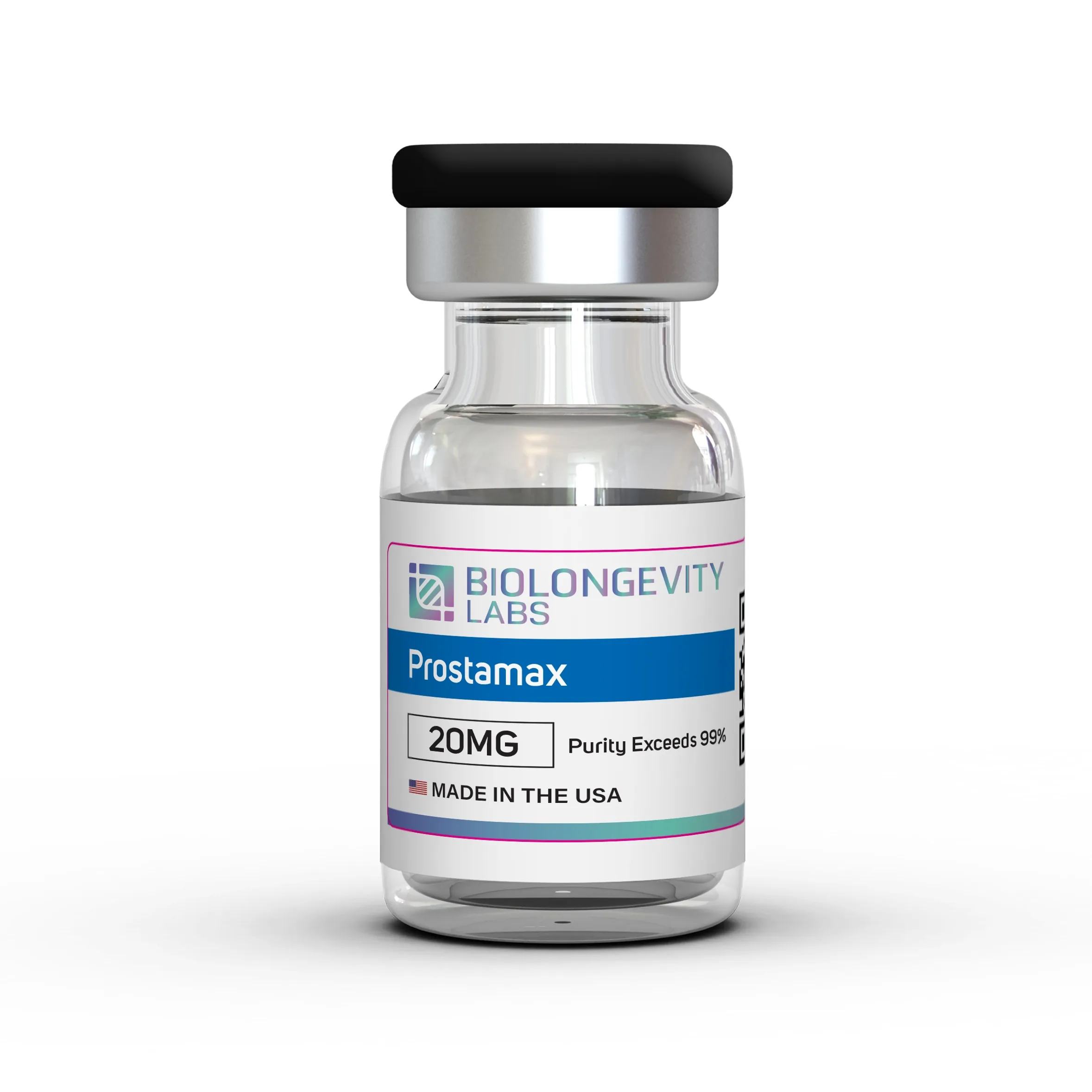
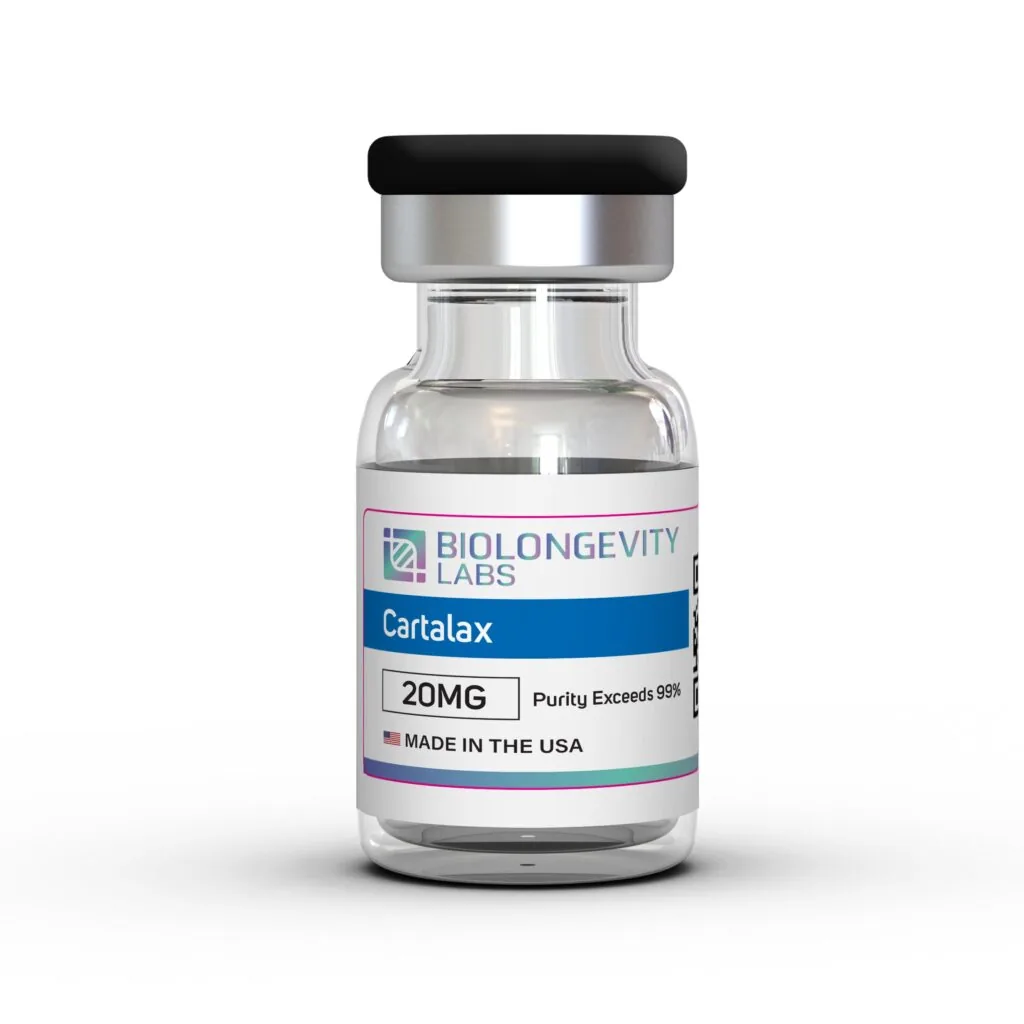
Cartalax peptide is a synthetic tripeptide bioregulator with the defined sequence Ala-Glu-Asp (AED), produced through controlled peptide synthesis. It is supplied as a 20mg lyophilized powder in a sealed vial, with ≥99% purity confirmed by independent HPLC testing and a Certificate of Analysis for every batch. Cartalax is characterized in laboratory research on chondrocyte aging, chondrogenic differentiation, and fibroblast extracellular matrix remodeling. It is also studied in renal cell culture models and in research on how short peptides interact with DNA and influence gene expression.
≥99% Purity
Third-Party Tested
COA Available
U.S. Manufactured
Quantity
Out of stock
Notify me when in stock
Third-Party Verified Quality
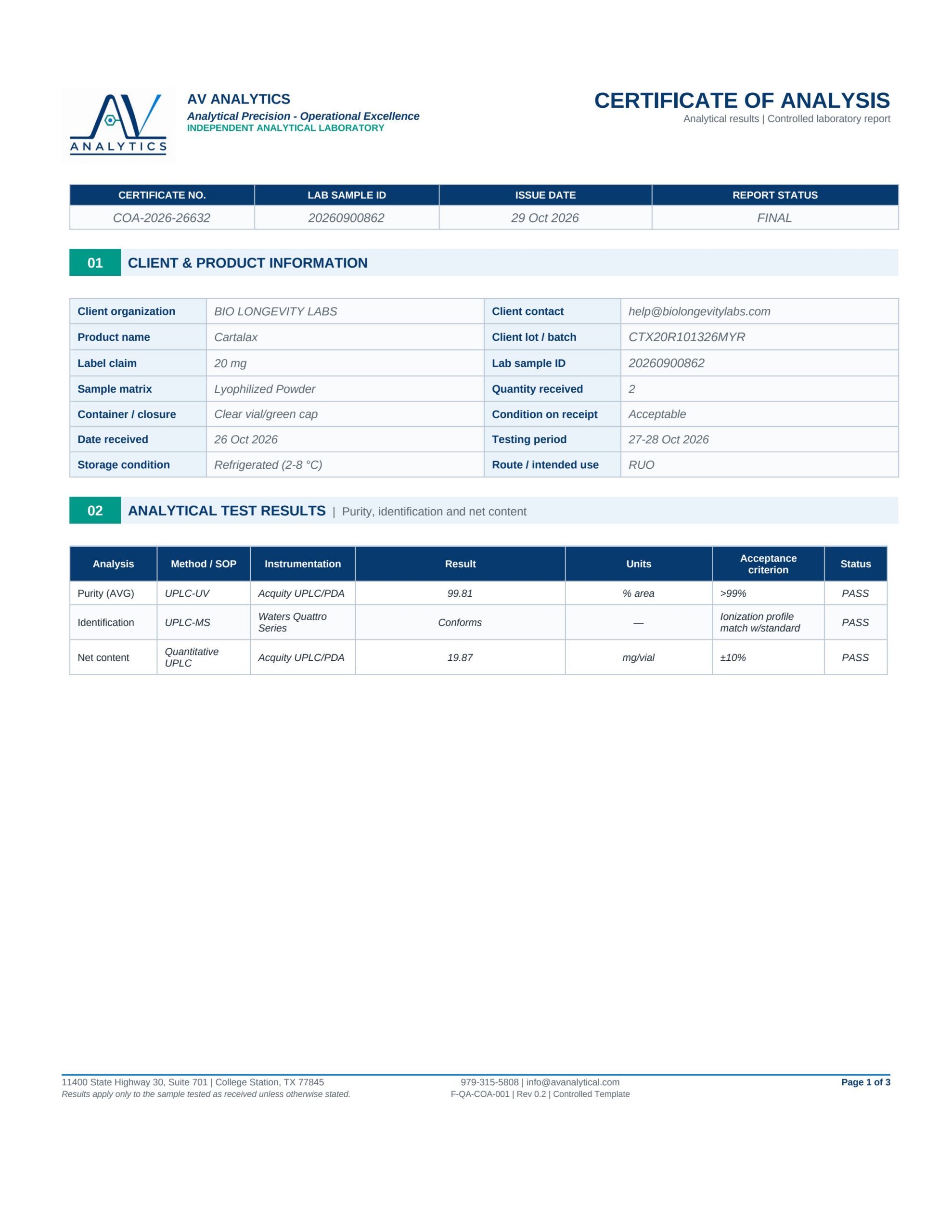
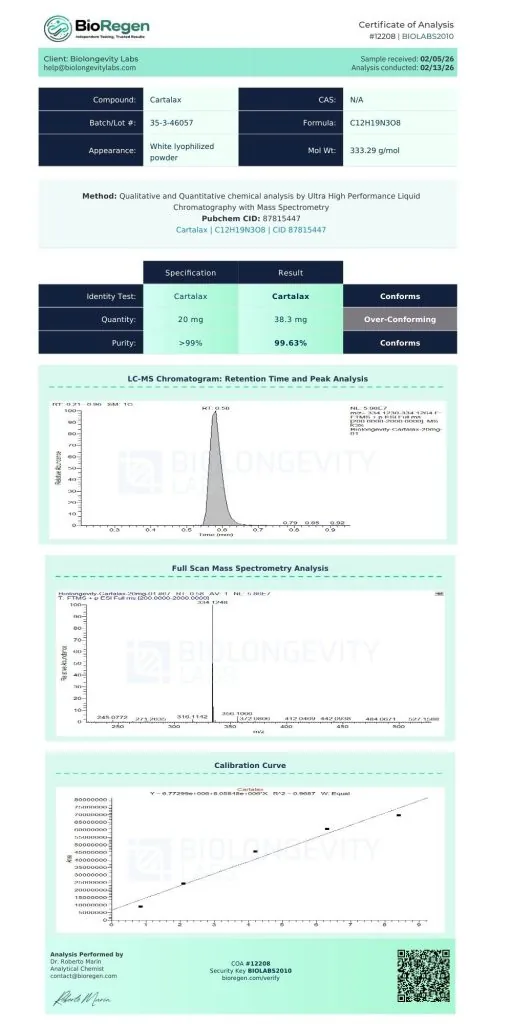
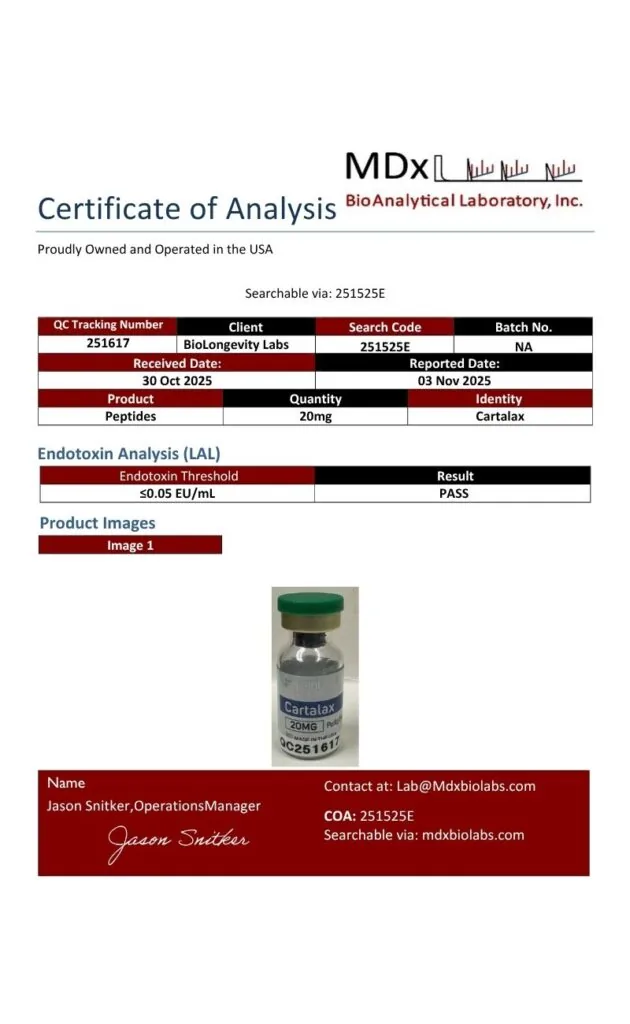
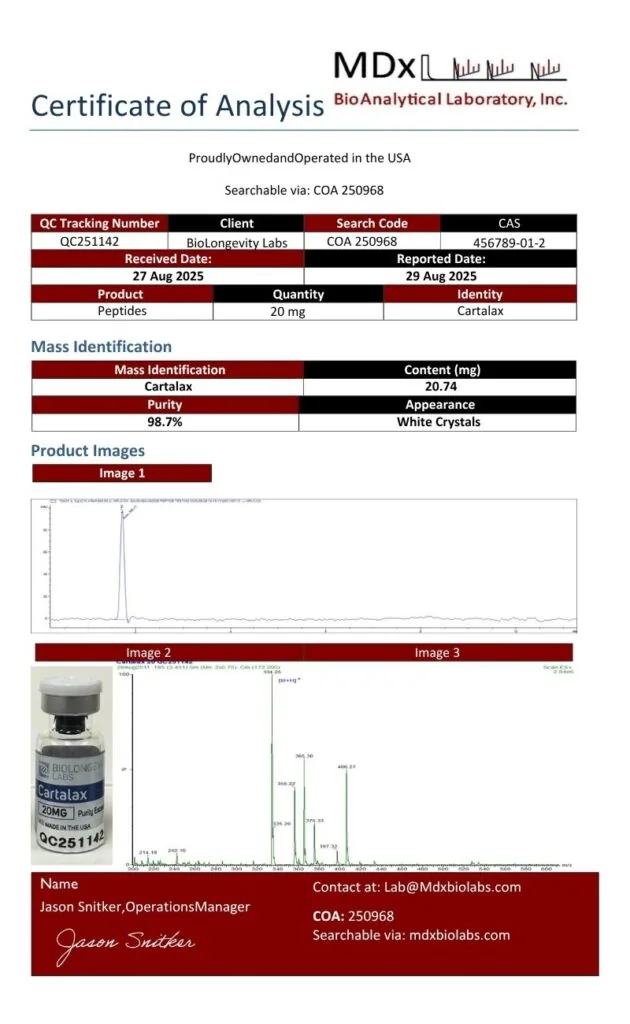
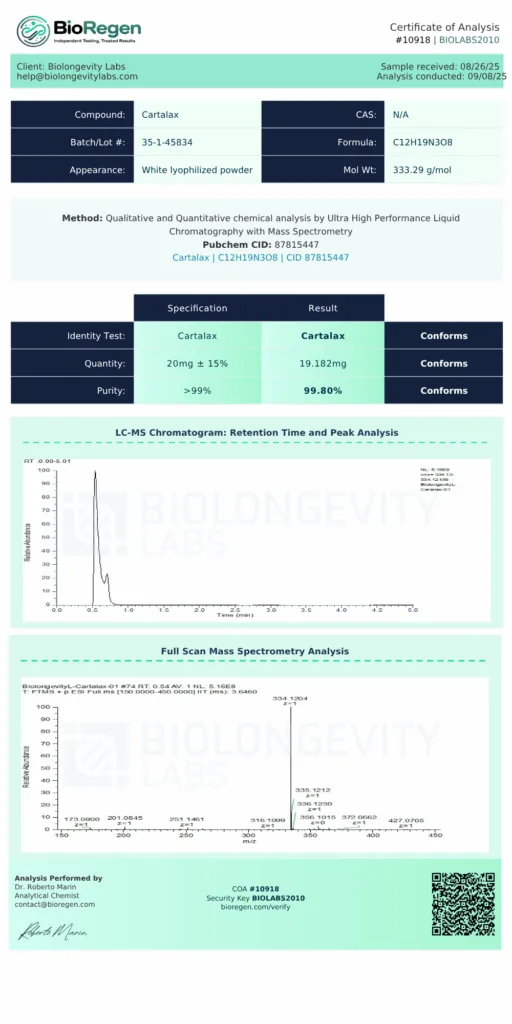
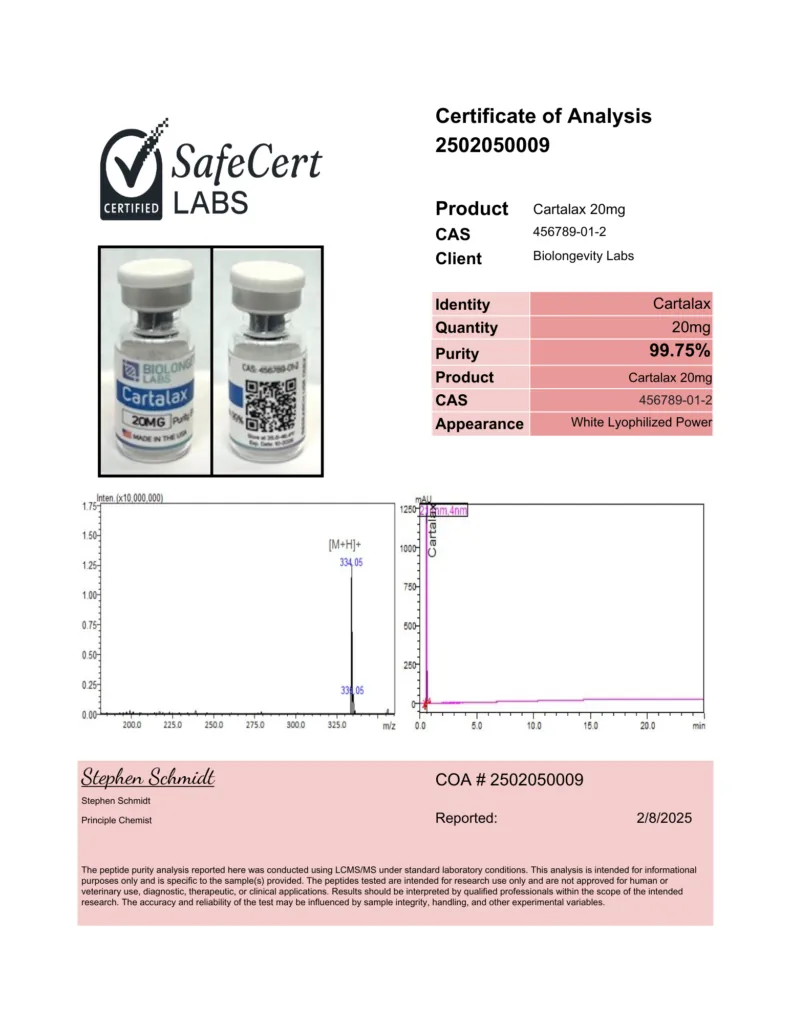
≥99% purity verified through independent UHPLC-MS testing. Certificates of Analysis are available before purchase.
COAs available before purchase
U.S.-manufactured research-grade
Same-business-day U.S. dispatch for in-stock orders placed before 12 PM PT
Secure Checkout · Free shipping on orders over $400
Cartalax belongs to the family of short regulatory peptides described by the St. Petersburg Institute of Bioregulation and Gerontology. In the research literature it appears as AED peptide and under the earlier designation T-31.
The compound is a linear L-tripeptide of alanine, glutamic acid, and aspartic acid. Two of its three residues carry acidic side chains, which gives the molecule a net negative charge at neutral pH.
As a Cartalax bioregulator, AED is examined in cartilage, skin fibroblast, kidney, and mesenchymal stem cell cultures. Researchers use it to study senescence markers, extracellular matrix proteins, and sirtuin expression under controlled laboratory conditions.
Store the lyophilized compound at -20°C, protected from light and moisture.
After reconstitution, store at 2–8°C and use promptly.
Maintain aseptic handling to preserve compound integrity.
Lyophilized Format
This compound ships in lyophilized (freeze-dried) form. Freeze-drying supports long-term storage stability and preserves compound integrity. No fillers are added.
Research Use Disclaimer
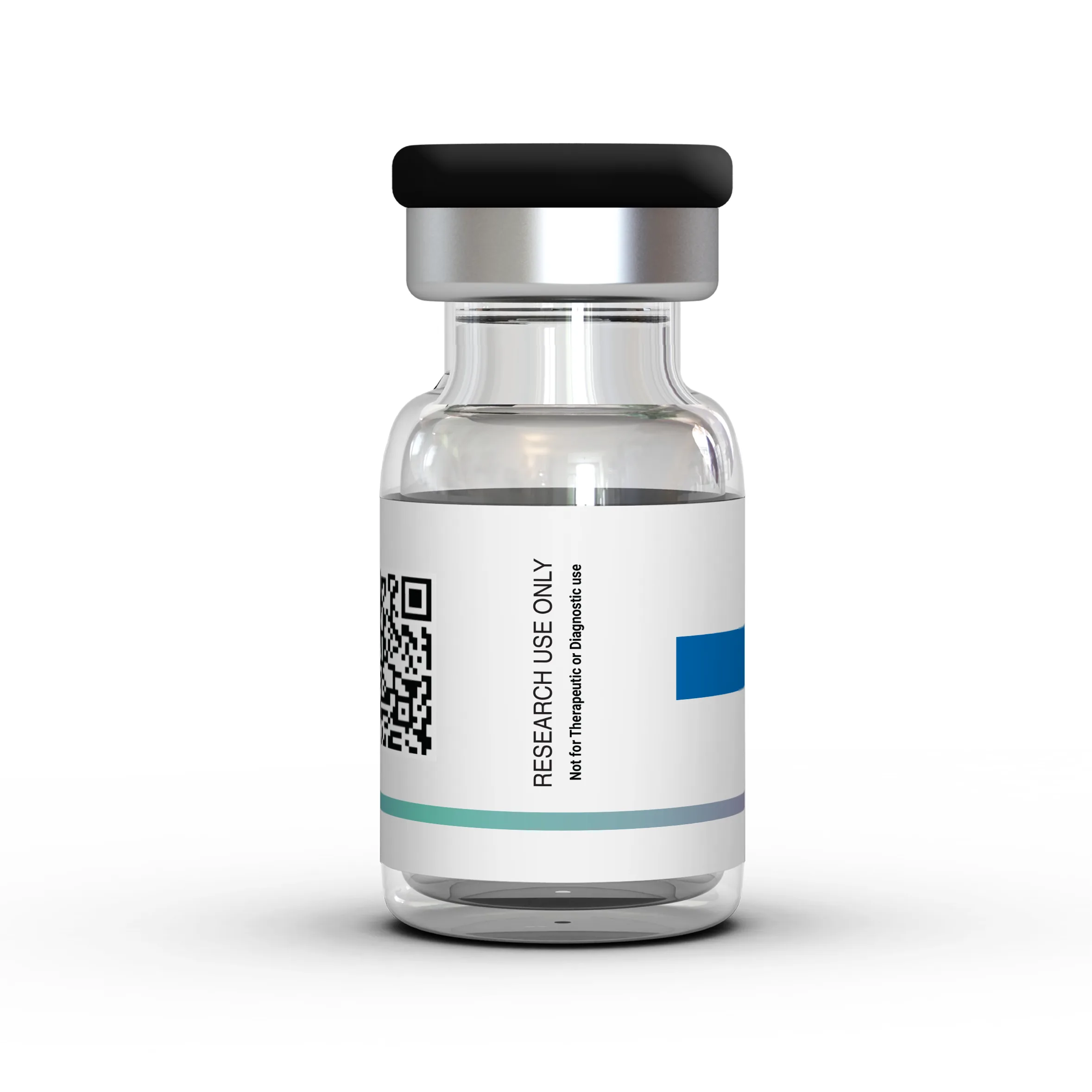
Cartalax is supplied for research use only. It is not a drug, food, cosmetic, or dietary supplement and has not been evaluated by the FDA. By purchasing, the buyer confirms the compound will be used solely for in vitro research.
Frequently Asked Questions
Is Cartalax Third-Party Tested?
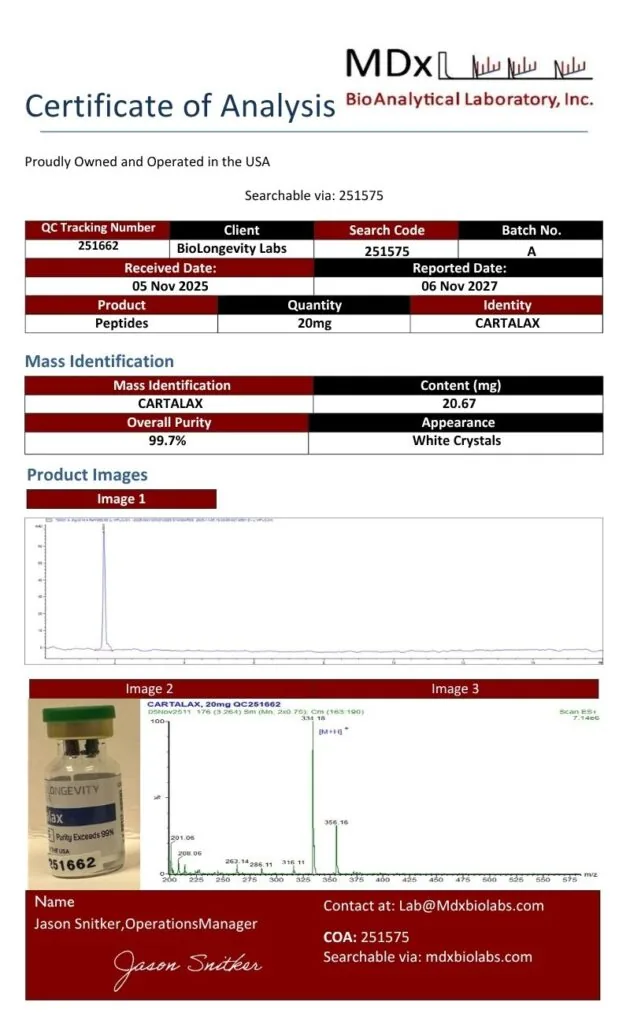
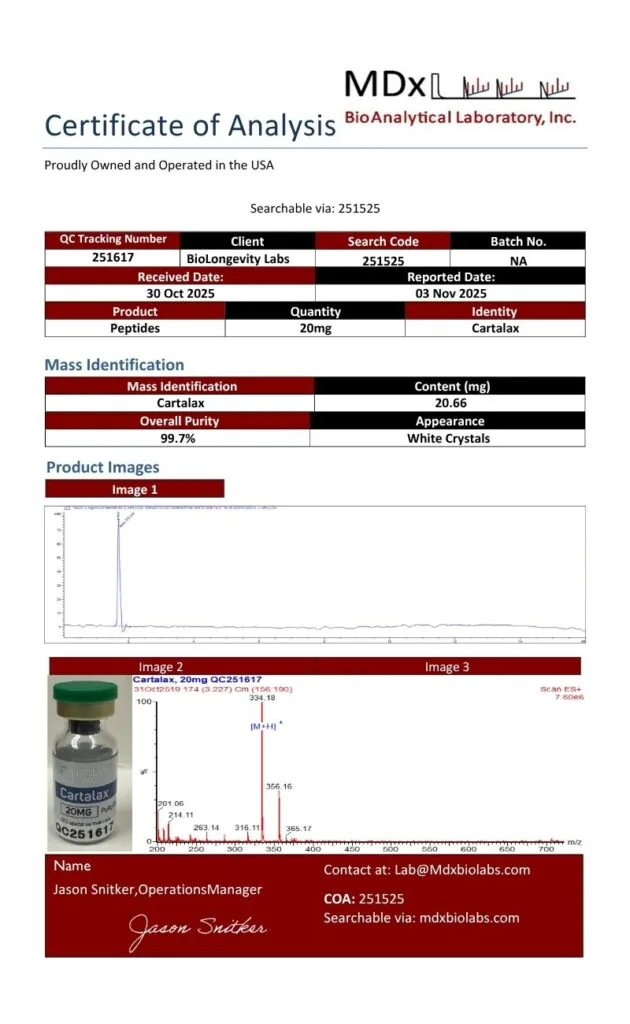
Yes. Every batch of Cartalax is tested by an independent third-party laboratory for identity and purity against a ≥99% purity specification. BioLongevity Labs does not perform in-house testing on its own compounds.
Can I See the Cartalax COA Before I Order?
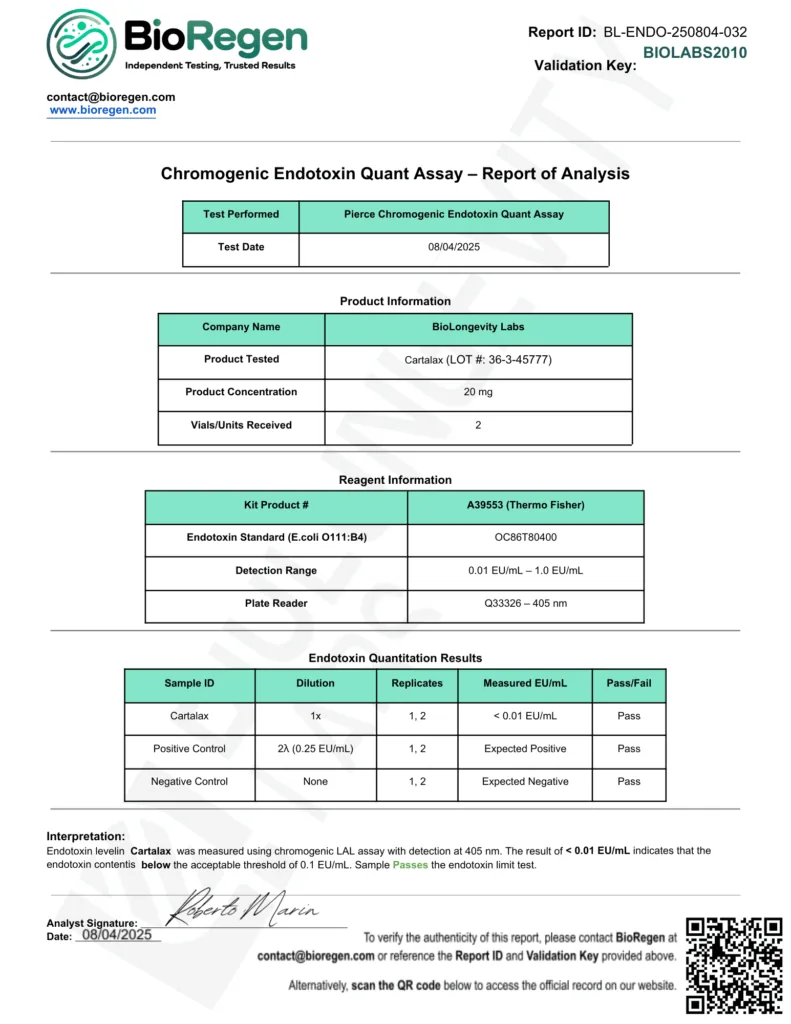
Yes. The current Certificate of Analysis for Cartalax is linked at the top of this page, and the complete COA library is available to view without an account. Certificates are published online and are not included with shipments.
How Can I Verify the Cartalax COA?
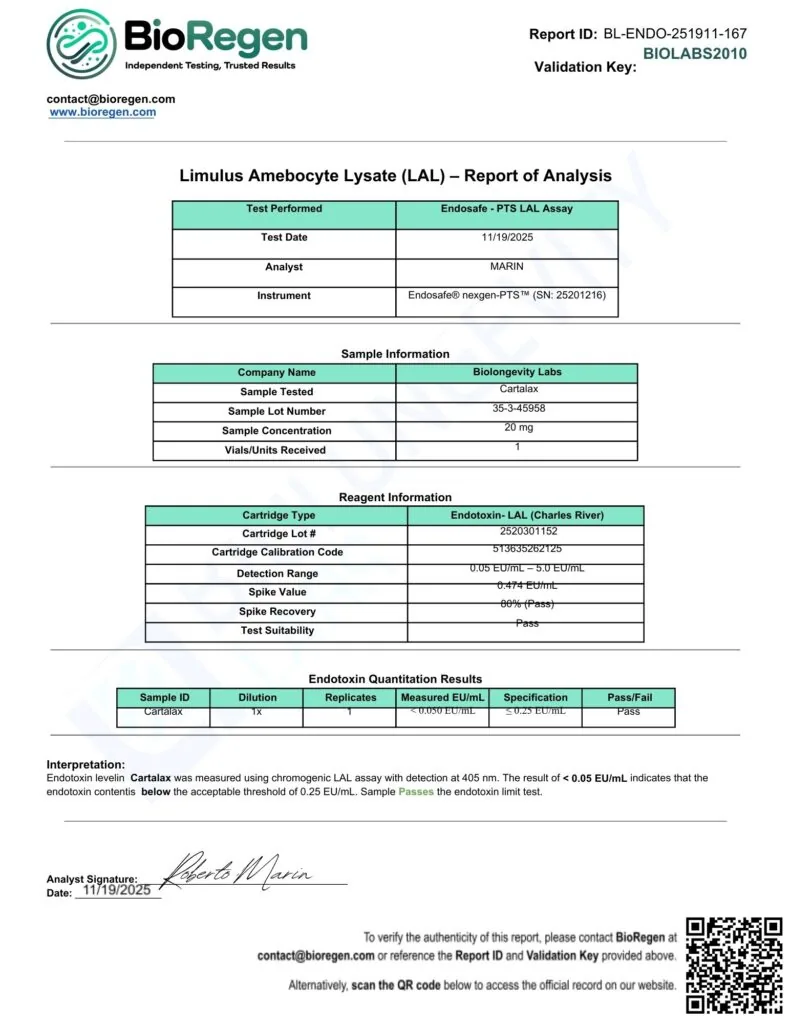
Each certificate can be verified directly with the issuing laboratory. AV Analytics certificates include a QR code and a search code that retrieve the original record from the laboratory’s website, and BioRegen reports include a Report ID and a Validation Key. Learn more about COA verification.
How Quickly Does Cartalax Ship, and How Should It Be Stored?
In-stock orders placed and paid before 12 PM PT typically ship the same business day from the United States via USPS Priority, FedEx 2 Day or FedEx Overnight. Orders over $400 qualify for free shipping, and international shipping is available to many destinations. Lyophilized material should be stored at −20°C, away from light and moisture.
What If My Cartalax Order Is Incorrect?
Due to our rigorous quality control standards and the fragile nature of these products, we cannot accept returns on research compound vials. If an order arrives with an incorrect item, please contact our team and a replacement for the original order will be issued.
How Does Cartalax Differ From BPC-157?
Cartalax is a three-residue peptide (Ala-Glu-Asp), while BPC-157 is a separate fifteen-residue peptide with an unrelated sequence. The two compounds have different identifiers and are characterized in different areas of laboratory research.
Research Overview
Cartalax research centers on chondrocyte models. In aging chondrocyte cultures, AED normalized the synthesis of p16, p21, p53, TNF-α, IL-1α, and SIRT1, the markers that make up the senescence-associated secretory phenotype [1].
In mesenchymal stem cells during replicative aging, AED at 200 ng/mL increased gene expression and protein synthesis of the chondrogenic markers SOX9, aggrecan, type II collagen, and COMP [2].
Fibroblast cultures form a second research thread. In aging skin fibroblasts, AED inhibited MMP-9 synthesis, raised expression of Ki-67 and CD98hc, and suppressed caspase-dependent apoptosis [3].
In replicatively aged skin fibroblasts, AED activated the synthesis of sirtuin-1, sirtuin-6, and collagen I [4].
Beyond cartilage and skin, AED has been examined in kidney cultures and in studies of gene regulation.
Renal Cell and Gene Expression Models
In young and aged renal cell cultures, AED increased proliferation, lowered expression of p16, p21, and p53, and raised SIRT-6 expression. Molecular modeling placed AED in the minor groove of d(ATATATATAT)2 DNA sequences [5].
In organotypic kidney tissue cultures from young and old rats, T-31 (AED) stimulated proliferation and reduced apoptosis, to a lesser degree than a kidney polypeptide complex [6].
In aging mesenchymal stem cell cultures, AED and two related short peptides were associated with a 3.5 to 5.6 fold increase in IGF1 gene expression [7]. Docking models identified the acct sequence as a DNA binding site for AED [8].
Research Area
In Vitro Application
Chondrocyte aging
Profiling p16, p21, p53, TNF-α, IL-1α, and SIRT1 in aging chondrocyte cultures
Chondrogenic differentiation
SOX9, aggrecan, type II collagen, and COMP expression in mesenchymal stem cells
Fibroblast matrix remodeling
MMP-9, collagen I, and sirtuin expression in aging fibroblast cultures
Renal cell senescence
Proliferation and apoptosis markers in kidney cell and tissue cultures
Peptide and DNA interaction
Molecular docking and gene expression studies of short peptides
References
Myakisheva SN, Linkova NS, Kozhevnikova EO, et al. (2023). [Peptides prevent the forming of secretory phenotype of chondrocytes associated with the aging.]. Advances in Gerontology, 36(2), 234–238. https://pubmed.ncbi.nlm.nih.gov/37356100/
Myakisheva SN, Linkova NS, Diatlova AS, et al. (2023). [The influence of peptides on the chondrogenic differentiation of human mesenchymal stem cells during replicative aging.]. Advances in Gerontology, 36(3), 383–390. https://pubmed.ncbi.nlm.nih.gov/37782646/
Lin’kova NS, Drobintseva AO, Orlova OA, et al. (2016). Peptide Regulation of Skin Fibroblast Functions during Their Aging In Vitro. Bulletin of Experimental Biology and Medicine, 161(1), 175–178. https://doi.org/10.1007/s10517-016-3370-x
Fridman NV, Linkova NS, Kozhevnikova EO, et al. (2020). Comparison of the Effects of KE and AED Peptides on Functional Activity of Human Skin Fibroblasts during Their Replicative Aging. Bulletin of Experimental Biology and Medicine, 170(1), 154–157. https://doi.org/10.1007/s10517-020-05022-1
Khavinson VKh, Tarnovskaia SI, Lin’kova NS, et al. (2014). [Tripeptides slow down aging process in renal cell culture]. Advances in Gerontology, 27(4), 651–656. https://pubmed.ncbi.nlm.nih.gov/25946838/
Chalisova NI, Lin’kova NS, Nichik TE, et al. (2015). Peptide Regulation of Cells Renewal Processes in Kidney Tissue Cultures from Young and Old Animals. Bulletin of Experimental Biology and Medicine, 159(1), 124–127. https://doi.org/10.1007/s10517-015-2906-9
Ashapkin V, Khavinson V, Shilovsky G, et al. (2020). Gene expression in human mesenchymal stem cell aging cultures: modulation by short peptides. Molecular Biology Reports, 47(6), 4323–4329. https://doi.org/10.1007/s11033-020-05506-3
Khavinson VKh, Lin’kova NS, Tarnovskaya SI. (2016). Short Peptides Regulate Gene Expression. Bulletin of Experimental Biology and Medicine, 162(2), 288–292. https://doi.org/10.1007/s10517-016-3596-7
A Certificate of Analysis (COA) is a document that verifies a compound’s identity, purity and quality through independent laboratory testing. Every compound from BioLongevity Labs is third-party tested, and its COA is published here, so researchers can review the testing record before a compound enters a protocol.
Each COA reports results from third-party laboratory analysis, including:
Ultra-high-performance liquid chromatography with mass spectrometry (UHPLC-MS) for purity, measured against a 98% or 99% specification depending on the compound
Mass identification for molecular confirmation and content quantitation
Endotoxin testing by Limulus amebocyte lysate (LAL) or recombinant Factor C (rFC) assay, depending on the laboratory
Visual and physical characterization of the finished material
How to Verify a COA Independently
You can check every certificate against the issuing laboratory’s own records, not just the copy hosted here. Verification does not depend on BioLongevity Labs.
AV Analytics certificates carry a search code. Scan the QR code on the certificate to open the laboratory’s verification page, or enter the search code at avanalytical.com/coa-search to pull the official record.
BioRegen reports of analysis carry a Report ID and a Validation Key. Scan the QR code on the certificate to open the official record, or quote both identifiers when you contact the laboratory at the address printed on the report.
SafeCert Labs issued a number of earlier certificates. Each one carries a COA number and the signature of the reporting chemist. Quote that number when you ask the laboratory to confirm it.
Older certificates from other laboratories list their own verification details on the document.
When a batch is sent to more than one laboratory, each certificate resolves at its own issuing laboratory. A researcher can then check the results against two unrelated sources.
These COAs come from independent certified laboratories, not in-house testing. That gives researchers a verifiable record of molecular integrity for each compound. All compounds are supplied for research use only.
Scientifically reviewed by Dr. Ky H. Le, MD. Dr. Le is a board-certified family medicine physician with over 20 years of clinical experience. Dr. Le validates the scientific accuracy of all technical content and research citations.
Disclaimer: For Research Purposes Only
This content is provided strictly for research purposes and does not constitute an endorsement or recommendation for the non-laboratory application or improper handling of peptides designed for research. The information, including discussions about specific peptides and their researched benefits, is presented for informational purposes only and must not be construed as health, clinical, or legal guidance, nor an encouragement for non-research use. Peptides described here are solely for use in structured scientific study by authorized individuals. We advise consulting with research experts, medical practitioners, or legal counsel prior to any decisions about obtaining or utilizing these peptides. The expectation of responsible, ethical utilization of this information for legitimate investigative and scholarly objectives is paramount. This notice is dynamic and governs all provided content on research peptides.
Cartalax (20mg)
Please select a variation
$67.97Original price was: $67.97.$42.97Current price is: $42.97.