$78.97Original price was: $78.97.$39.49Current price is: $39.49.
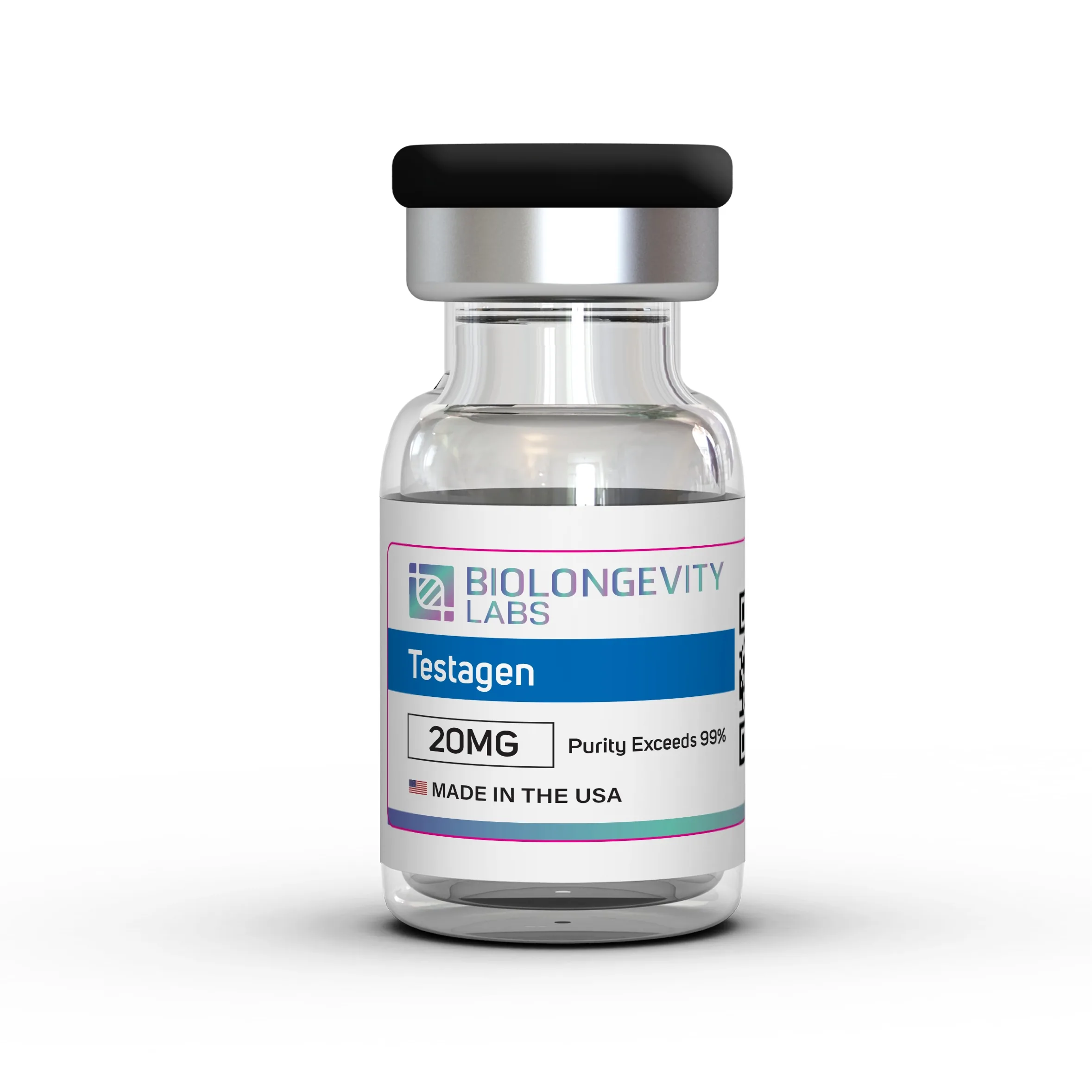
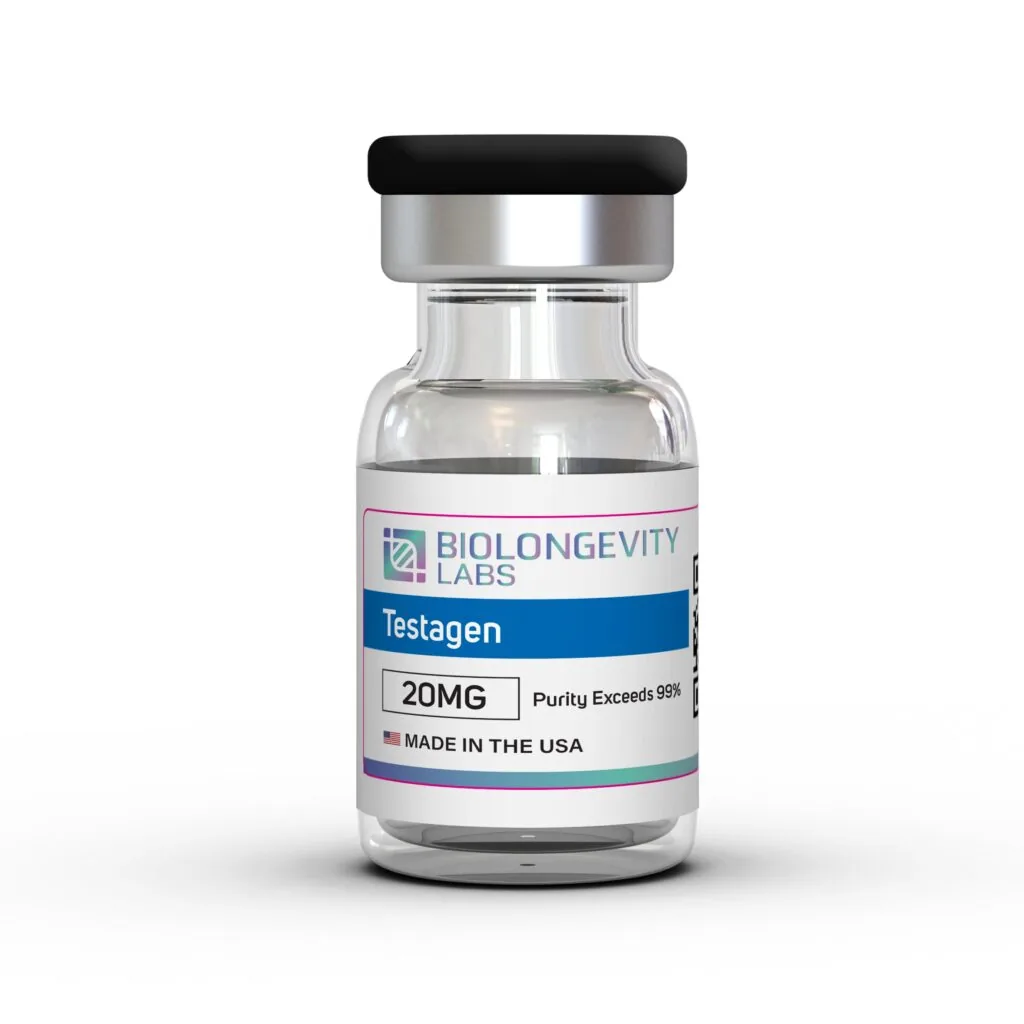
Testagen is a synthetic tetrapeptide with the sequence Lys-Glu-Asp-Gly, produced through controlled solid-phase peptide synthesis. It sits in the Khavinson class of short peptide bioregulators, a group of di-, tri-, and tetrapeptides studied for their ability to cross cell and nuclear membranes. BioLongevity Labs supplies it as a lyophilized powder in a 20mg vial, sealed and ready for reconstitution under laboratory conditions. The compound is characterized in research on peptide transport, sequence-selective nucleic acid binding, and gene expression regulation in cultured cell systems, and every lot ships with a third-party certificate of analysis.
≥99% Purity
Third-Party Tested
COA Available
U.S. Manufactured
Quantity
Out of stock
Notify me when in stock
Third-Party Verified Quality
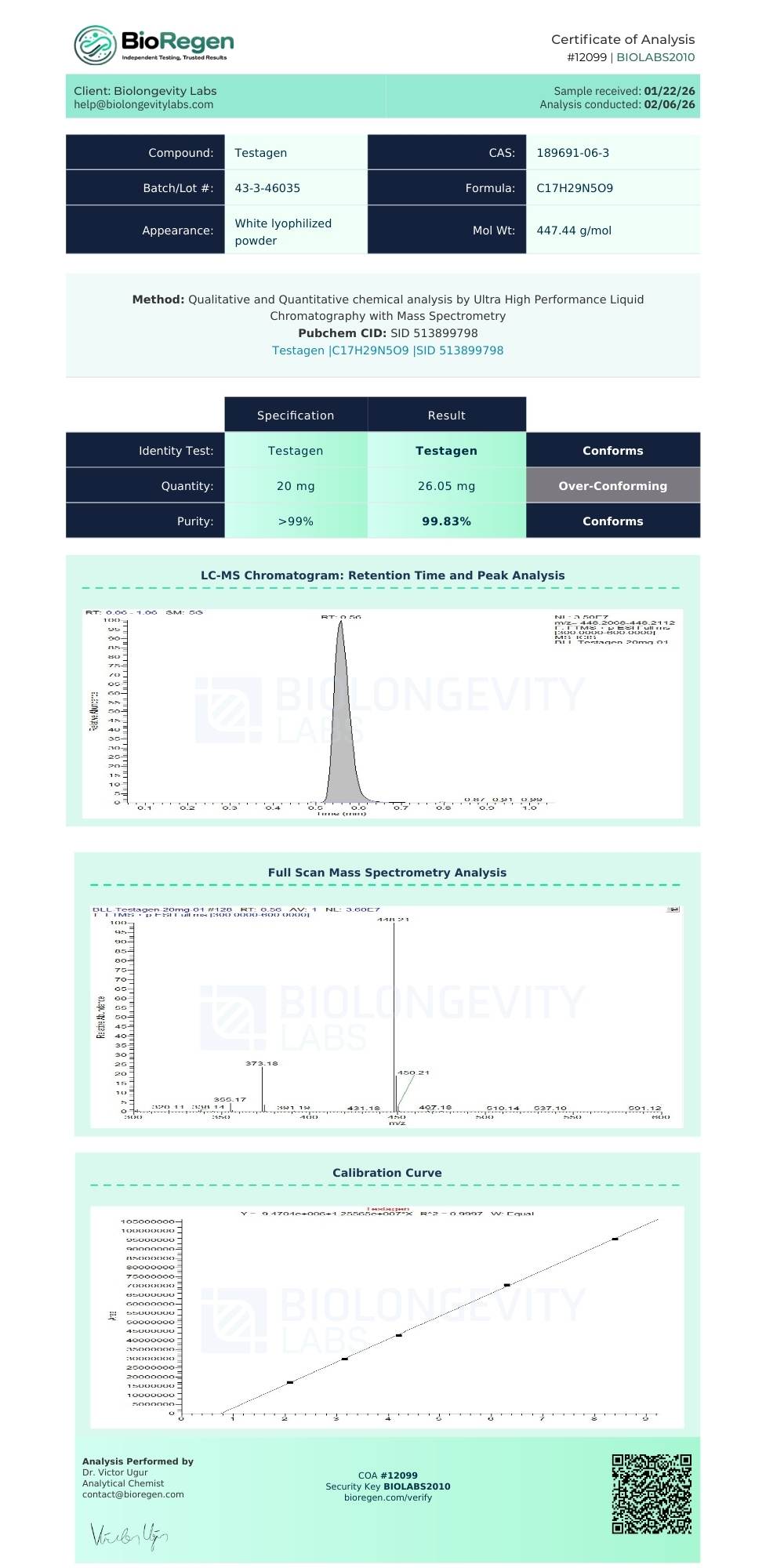
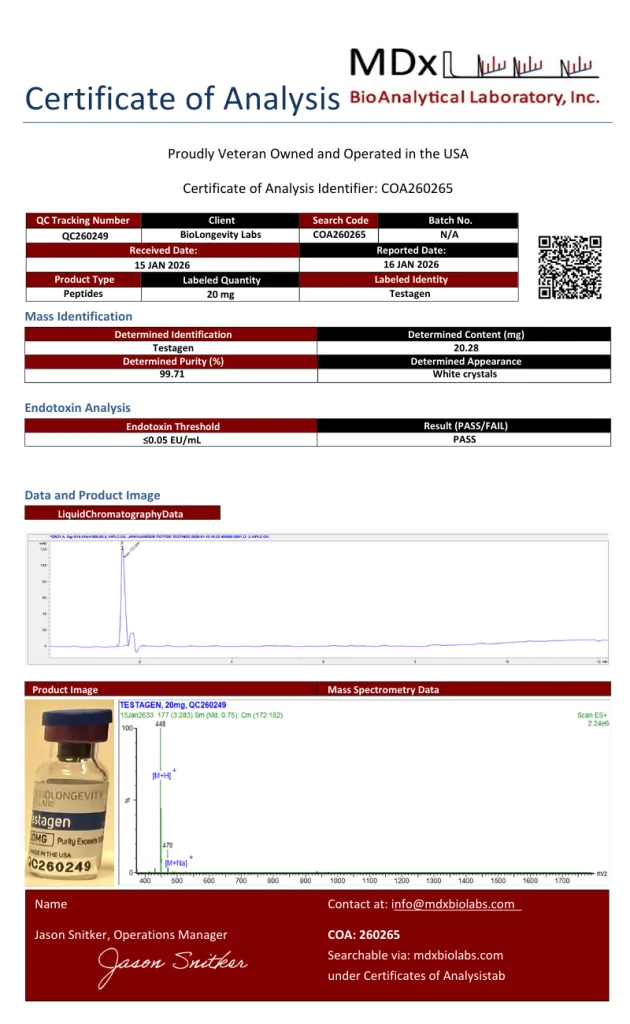
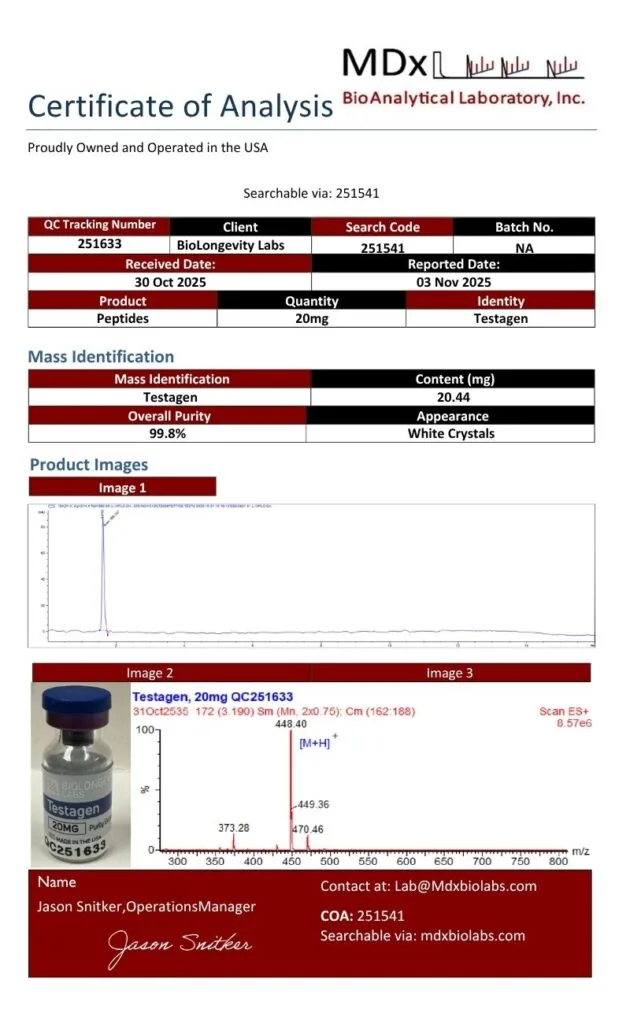
≥99% purity verified through independent UHPLC-MS testing. Certificates of Analysis are available before purchase.
COAs available before purchase
U.S.-manufactured research-grade
Same-business-day U.S. dispatch for in-stock orders placed before 12 PM PT
Secure Checkout · Free shipping on orders over $400
Testagen carries the molecular formula C₁₇H₂₉N₅O₉ and a molecular weight of 447.44 g/mol, and is indexed in PubChem as CID 123863700 under the title H-Lys-Glu-Asp-Gly-OH. Its four residues place it among the shortest peptides in the bioregulator literature, which is part of why it is used as a model compound in transport and binding work.
The Khavinson short peptide family was assembled from amino acid analysis of tissue-derived peptide complexes, with each sequence named after the tissue extract it was patterned on. Testagen corresponds to the anterior pituitary series and is studied alongside its structural neighbors Epitalon (Ala-Glu-Asp-Gly) and Pinealon (Glu-Asp-Arg), which differ from it by one residue.
Research interest in the sequence spans several laboratory disciplines. It appears in molecular modeling of amino acid and peptide transporters, in fluorescence work on peptide binding to labeled oligonucleotides, in cell culture studies of differentiation gene expression, and in surface chemistry as a candidate adsorption layer on metal substrates.
Store the lyophilized compound at -20°C in the sealed vial, protected from light and moisture.
After reconstitution, store at 2°C to 8°C and use promptly. Avoid repeated freeze-thaw cycles.
Maintain aseptic handling throughout reconstitution and aliquoting to preserve compound integrity.
Allow the vial to reach room temperature before opening so condensation does not settle on the powder.
Lyophilized Format
This compound ships in lyophilized (freeze-dried) form. Freeze-drying supports long-term storage stability and preserves compound integrity. No fillers are added.
Research Use Disclaimer
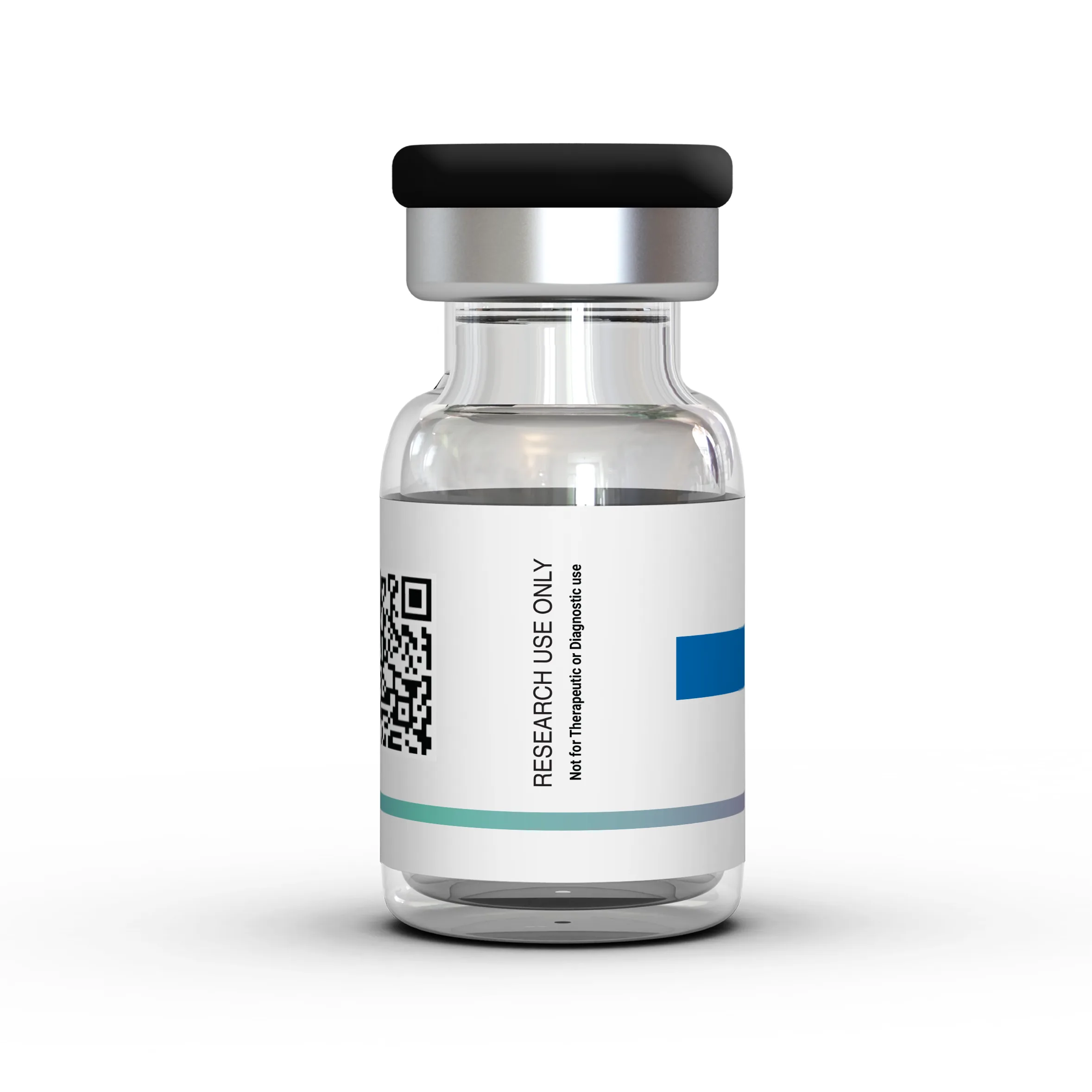
Testagen is supplied for research use only. It is not a drug, food, cosmetic, or dietary supplement and has not been evaluated by the FDA. By purchasing, the buyer confirms the compound will be used solely for in vitro research.
Frequently Asked Questions
Is Testagen Third-Party Tested?
Yes. Every batch of Testagen is tested by an independent third-party laboratory for identity and purity against a ≥99% purity specification. BioLongevity Labs does not perform in-house testing on its own compounds.
Can I See the Testagen COA Before I Order?
Yes. The current Certificate of Analysis for Testagen is linked at the top of this page, and the complete COA library is available to view without an account. Certificates are published online and are not included with shipments.
How Can I Verify the Testagen COA?
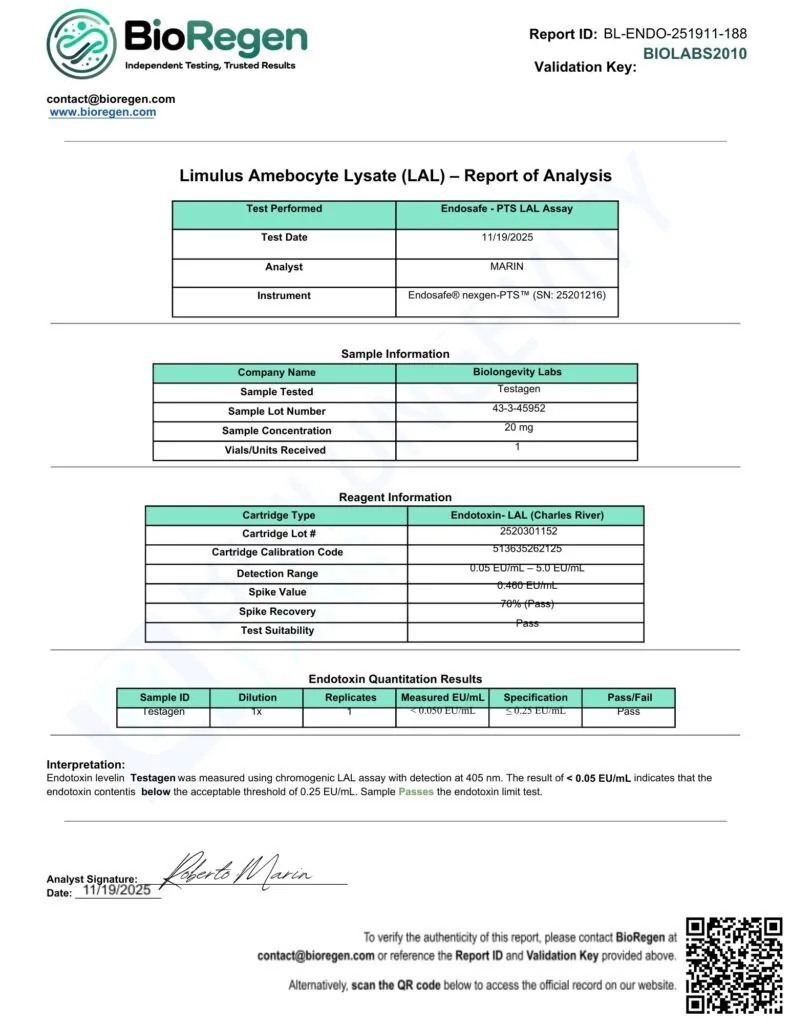
Each certificate can be verified directly with the issuing laboratory. AV Analytics certificates include a QR code and a search code that retrieve the original record from the laboratory’s website, and BioRegen reports include a Report ID and a Validation Key. Learn more about COA verification.
How Quickly Does Testagen Ship, and How Should It Be Stored?
In-stock orders placed and paid before 12 PM PT typically ship the same business day from the United States via USPS Priority, FedEx 2 Day or FedEx Overnight. Orders over $400 qualify for free shipping, and international shipping is available to many destinations. Lyophilized material should be stored at −20°C, away from light and moisture.
What If My Testagen Order Is Incorrect?
Due to our rigorous quality control standards and the fragile nature of these products, we cannot accept returns on research compound vials. If an order arrives with an incorrect item, please contact our team and a replacement for the original order will be issued.
Testagen Research
Scientific investigations into Testagen (KEDG) reveal multiple mechanisms of action across cellular transport, endocrine regulation, and gene expression pathways. Laboratory studies confirm the peptide’s ability to penetrate cellular membranes and interact directly with DNA, supporting its classification as a bioregulatory peptide with tissue-specific effects.
Cellular Transport and Bioavailability
Testagen shows high binding affinity to LAT1, LAT2, and PEPT1 transporters, which handle cellular uptake of amino acids and small peptides. The peptide’s structural design, with negatively charged residues at the N-terminus and neutral residues at the C-terminus, makes it one of the most effective transporter ligands among ultrashort peptides[1].
Molecular modeling confirms that these transporter binding sites accommodate KEDG transport efficiently. This cellular uptake mechanism may contribute to the peptide’s ability to inhibit amino acid transporters commonly overexpressed in cancer cell models.
Endocrine and Thyroid Function Research
Studies in hypophysectomized chicken models show that KEDG prevents thyroid gland atrophy and normalizes tissue morphology. The peptide counteracts pathological changes including enlarged follicles, colloid accumulation, and altered thyrocyte structure that typically occur after hypophysectomy[2].
KEDG functions through interaction with the hypothalamic-pituitary-thyroid axis as a hypophyseal-derived regulatory molecule. This mechanism maintains thyroid structural integrity through direct tissue-specific effects rather than traditional feedback pathways[3].
Nuclear Interaction and Gene Expression
Research shows that fluorescence-labeled short peptides penetrate cell nuclei and interact specifically with DNA structures. KEDG’s amino acid sequence and charge distribution may support nuclear localization and subsequent DNA binding activities[4].
The related KEDW peptide (differing by one amino acid) binds along DNA’s major groove and regulates expression of differentiation factors including PDX1, NGN3, PAX6, and FOXA2 in pancreatic cell models. Physical studies using UV-visible absorption and circular dichroism confirm stable DNA-peptide complex formation[5].
Cellular Differentiation Research
Short peptides play important roles in biological information transmission during cell differentiation processes. The KED component (closely related to KEDG) increases Nestin expression, a neurofilament protein found in early neuronal precursors, when applied to human periodontal ligament stem cells[6].
This differentiation-promoting activity suggests KEDG may work through epigenetic mechanisms that influence gene expression patterns directing stem cell fate decisions. The peptide’s ability to enhance neuronal differentiation markers indicates potential applications in tissue engineering research targeting neural repair.
Immune System Studies
KEDG treatment normalizes immune parameters in neonatally hypophysectomized chicken models where immune dysfunction develops following hypophyseal removal. The immunoregulatory effects are particularly pronounced in young animals compared to mature subjects[2].
The immune restoration mechanism involves direct interaction with immune system components rather than indirect hormonal modulation. This suggests specific binding sites on immune cells that respond to the tetrapeptide structure.
Age-Related Response Patterns
Research reveals age-dependent response patterns, with stronger therapeutic benefits in younger organisms. Neonatal hypophysectomized subjects show more pronounced corrective effects on thyroid morphology and immune function compared to one-year-old subjects[7].
This age-related efficacy pattern indicates that KEDG may work through developmental regulatory pathways that remain more responsive in younger biological systems.
References
V. K. Khavinson, N. S. Linkova, A. I. Rudskoy, and M. G. Petukhov, “Feasibility of Transport of 26 Biologically Active Ultrashort Peptides via LAT and PEPT Family Transporters,” MDPI AG, Mar. 2023. doi: 10.3390/biom13030552. https://doi.org/10.3390/biom13030552
B. Kuznik, A. V. Pateiuk, N. S. Rusaeva, L. M. Baranchugova, and V. I. Obydenko, “[Effects of hypophyseal Lys-Glu-Asp-Gly and Ala-Glu-Asp-Gly synthetic peptides on immunity, hemostasis, morphology and functions of the thyroid gland in neonatally hypophysectomized chicken and one-year-old birds].,” Patologicheskaia fiziologiia i eksperimental’naia terapiia, vol. 1, pp. 14–8, 2010.
B. I. Kuznik, A. V. Pateyuk, and N. S. Rusaeva, “Effect of tetrapeptides Lys-Glu-Asp-Gly and Ala-Glu-Asp-Gly on the structure and function of the thyroid gland in neonatally hypophysectomized chickens,” Springer Science and Business Media LLC, Jan. 2008. doi: 10.1007/s10517-008-0033-6. https://doi.org/10.1007/s10517-008-0033-6
L. I. Fedoreyeva, I. I. Kireev, V. Kh. Khavinson, and B. F. Vanyushin, “Penetration of short fluorescence-labeled peptides into the nucleus in HeLa cells and in vitro specific interaction of the peptides with deoxyribooligonucleotides and DNA,” Pleiades Publishing Ltd, Nov. 2011. doi: 10.1134/s0006297911110022. https://doi.org/10.1134/s0006297911110022
V. Kh. Khavinson, S. M. Tendler, N. A. Kasyanenko, and S. I. Tarnovskaya, “Tetrapeptide KEDW Interacts with DNA and Regulates Gene Expression,” New World Publishing International, Inc., Jul. 2015. doi: 10.5099/aj150300156. https://doi.org/10.5099/aj150300156
S. Caputi et al., “Effect of short peptides on neuronal differentiation of stem cells,” SAGE Publications, Jan. 2019. doi: 10.1177/2058738419828613. https://doi.org/10.1177/2058738419828613
B. I. Kuznik, A. V. Pateyuk, N. S. Rusaeva, L. M. Baranchugova, and V. I. Obydenko, “The effect of Lys-Glu-Asp-Gly and Ala-Glu-Asp-Gly peptides on hormone activity and the thyroid structure in sexually mature and old hypophysectomized birds,” Pleiades Publishing Ltd, Oct. 2011. doi: 10.1134/s2079057011040072. https://doi.org/10.1134/s2079057011040072
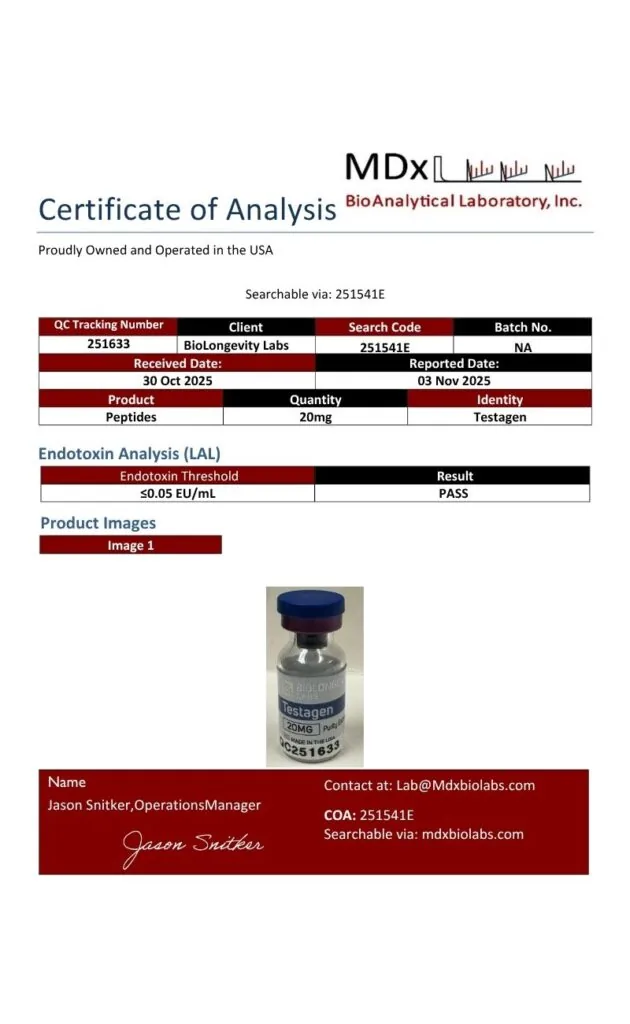
A Certificate of Analysis (COA) is a document that verifies a compound’s identity, purity and quality through independent laboratory testing. Every compound from BioLongevity Labs is third-party tested, and its COA is published here, so researchers can review the testing record before a compound enters a protocol.
Each COA reports results from third-party laboratory analysis, including:
Ultra-high-performance liquid chromatography with mass spectrometry (UHPLC-MS) for purity, measured against a 98% or 99% specification depending on the compound
Mass identification for molecular confirmation and content quantitation
Endotoxin testing by Limulus amebocyte lysate (LAL) or recombinant Factor C (rFC) assay, depending on the laboratory
Visual and physical characterization of the finished material
How to Verify a COA Independently
You can check every certificate against the issuing laboratory’s own records, not just the copy hosted here. Verification does not depend on BioLongevity Labs.
AV Analytics certificates carry a search code. Scan the QR code on the certificate to open the laboratory’s verification page, or enter the search code at avanalytical.com/coa-search to pull the official record.
BioRegen reports of analysis carry a Report ID and a Validation Key. Scan the QR code on the certificate to open the official record, or quote both identifiers when you contact the laboratory at the address printed on the report.
SafeCert Labs issued a number of earlier certificates. Each one carries a COA number and the signature of the reporting chemist. Quote that number when you ask the laboratory to confirm it.
Older certificates from other laboratories list their own verification details on the document.
When a batch is sent to more than one laboratory, each certificate resolves at its own issuing laboratory. A researcher can then check the results against two unrelated sources.
These COAs come from independent certified laboratories, not in-house testing. That gives researchers a verifiable record of molecular integrity for each compound. All compounds are supplied for research use only.
Scientifically reviewed by Dr. Ky H. Le, MD. Dr. Le is a board-certified family medicine physician with over 20 years of clinical experience. Dr. Le validates the scientific accuracy of all technical content and research citations.
Disclaimer: For Research Purposes Only
This content is provided strictly for research purposes and does not constitute an endorsement or recommendation for the non-laboratory application or improper handling of peptides designed for research. The information, including discussions about specific peptides and their researched benefits, is presented for informational purposes only and must not be construed as health, clinical, or legal guidance, nor an encouragement for non-research use. Peptides described here are solely for use in structured scientific study by authorized individuals. We advise consulting with research experts, medical practitioners, or legal counsel prior to any decisions about obtaining or utilizing these peptides. The expectation of responsible, ethical utilization of this information for legitimate investigative and scholarly objectives is paramount. This notice is dynamic and governs all provided content on research peptides.
Testagen (20mg)
Please select a variation
$78.97Original price was: $78.97.$39.49Current price is: $39.49.